Yuhei Hagino, last edited 11 December 2024
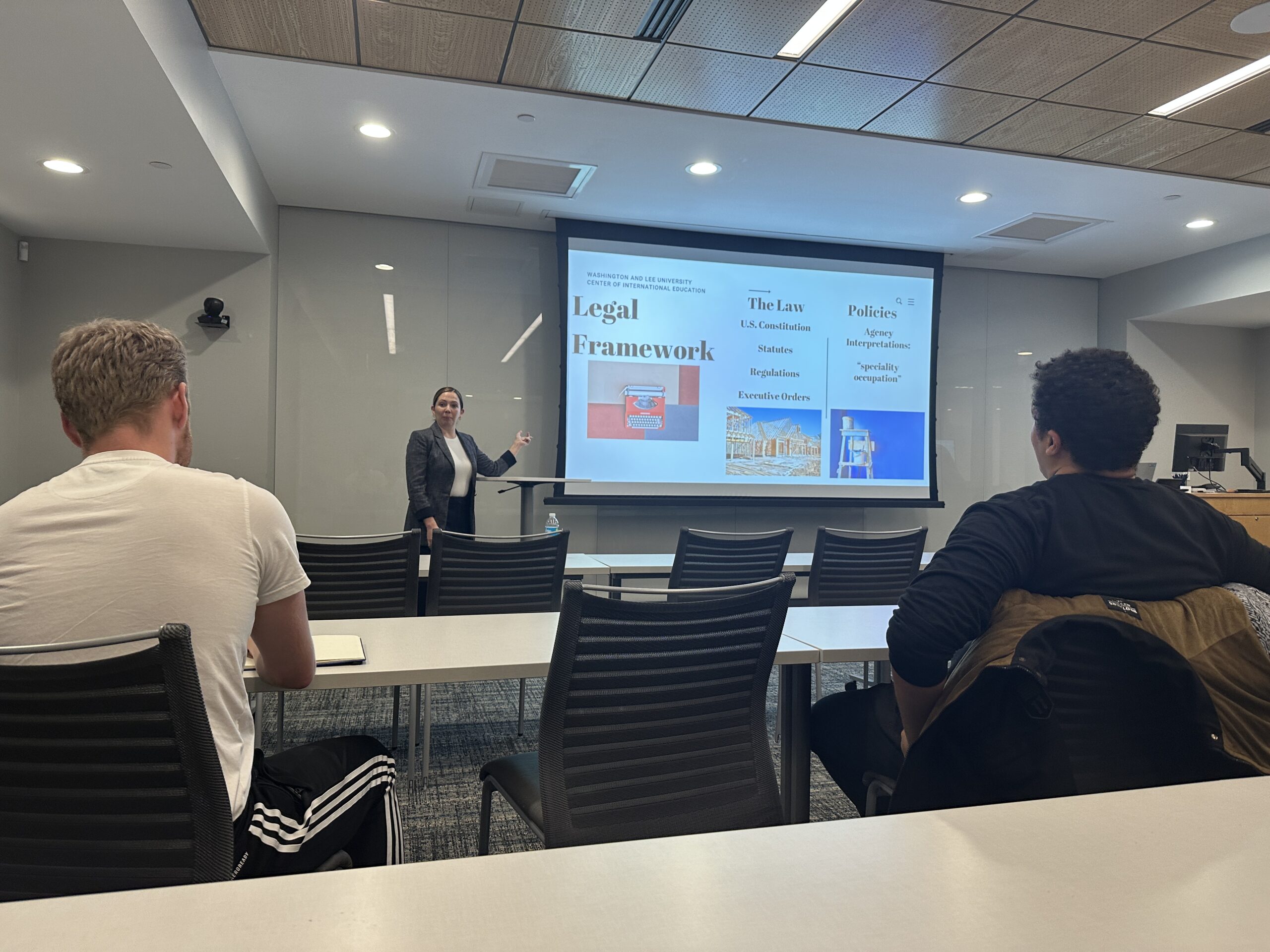
On November 20th, the Center for International Education and the W&L Law Immigrant Rights Clinic co-hosts an information session on the US Presidential Election outcome and potential impact on international students. Many international students expressed confusion and uncertainty about the outcome of the most influential election in the world.
Hunter Swanson, Associate Director for the Center for International Education, said “A lot of international students were very concerned right after the election results came out, because Trump and his previous administration passed or announced some policies to executive order.”
Approximately 30 students attended the information session, including law school students and professors. In the session, Swanson and Jessica Yañez, Visiting Director at Wahington and Lee University School of Law, Immigrant Rights Clinic provide legal frameworks with participants to calmly observe the situation. They address the tsunami of misinformation and disinformation circulating in social media, urging participants not to be swayed by the false information.
During his previous administration, Trump implemented several policies that impacted specific groups of international students. An example is the executive order commonly referred to as the Muslim travel ban, which restricted entry from several Muslim-majority countries. If re-enforced, this policy could disrupt academic exchanges and limit opportunities for students and scholars, Swanson explained in the session.

Takunda Mawere, a freshman student from Zimbabwe, attends the session by Swanson and Yañez. “When he actually won, I was surprised because he even won the popular vote as well. I wasn’t aware that it was still that popular. That was a surprise to me.” he recalled.
Listening to the session made him persuade that drastic change would not be made immediately, however, he still has a slight concern for his future path, particularly about his visa status expires in two years.
He sees American education as a gateway to opportunities unavailable in his home country and aspires to continue his postgraduate studies in the U.S. Nevertheless, he worries that Trump administration might complicate the visa processes and create obstacles for returning to the U.S. in the future.
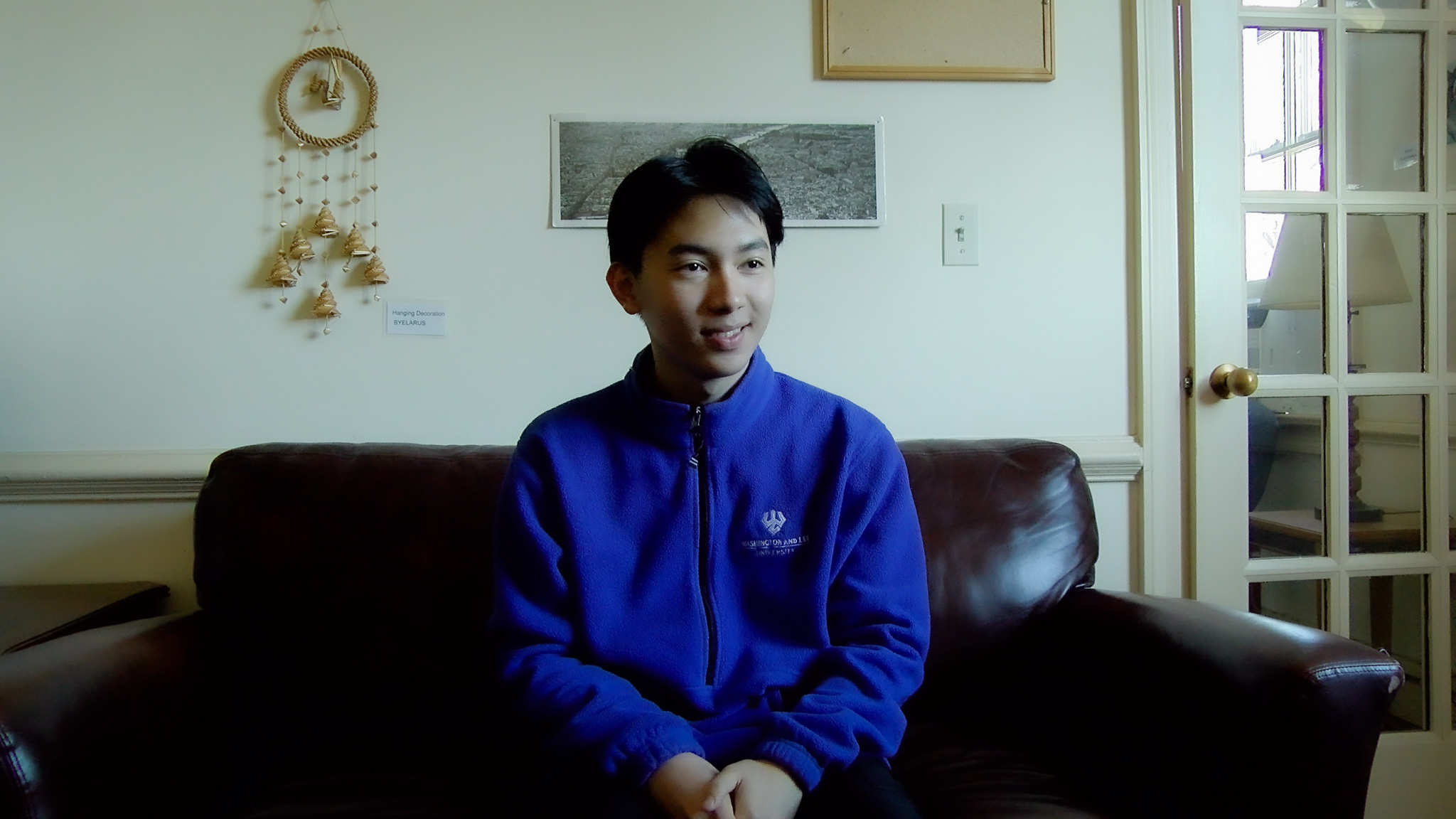
Leon Hoang, a sophomore student from Vietnam, shares Takunda’s concerns that Trump 2.0 could jeopardize his plans to study and pursue his career in the U.S.
“A lot of students I know might not go back home anymore, at least after four years of study, because they’re concerned that Trump’s policy eventually rejects their visa and make it harder for them to get back there to finish their education,” Leon said.
To him, getting education in the U.S. means a big opportunity which enables him to expose to a lot of new experience and knowledge that he cannot never learn in Vietnam. He is considering building professional and industry experience, taking advantage of H1-B visa program, which is issued to highly qualified non-immigrant individuals, according to official website of the United States government. However, he anticipates that a large number of companies would change their hiring policies, making it difficult for him to obtain H1-B visa, and gain work experiences.
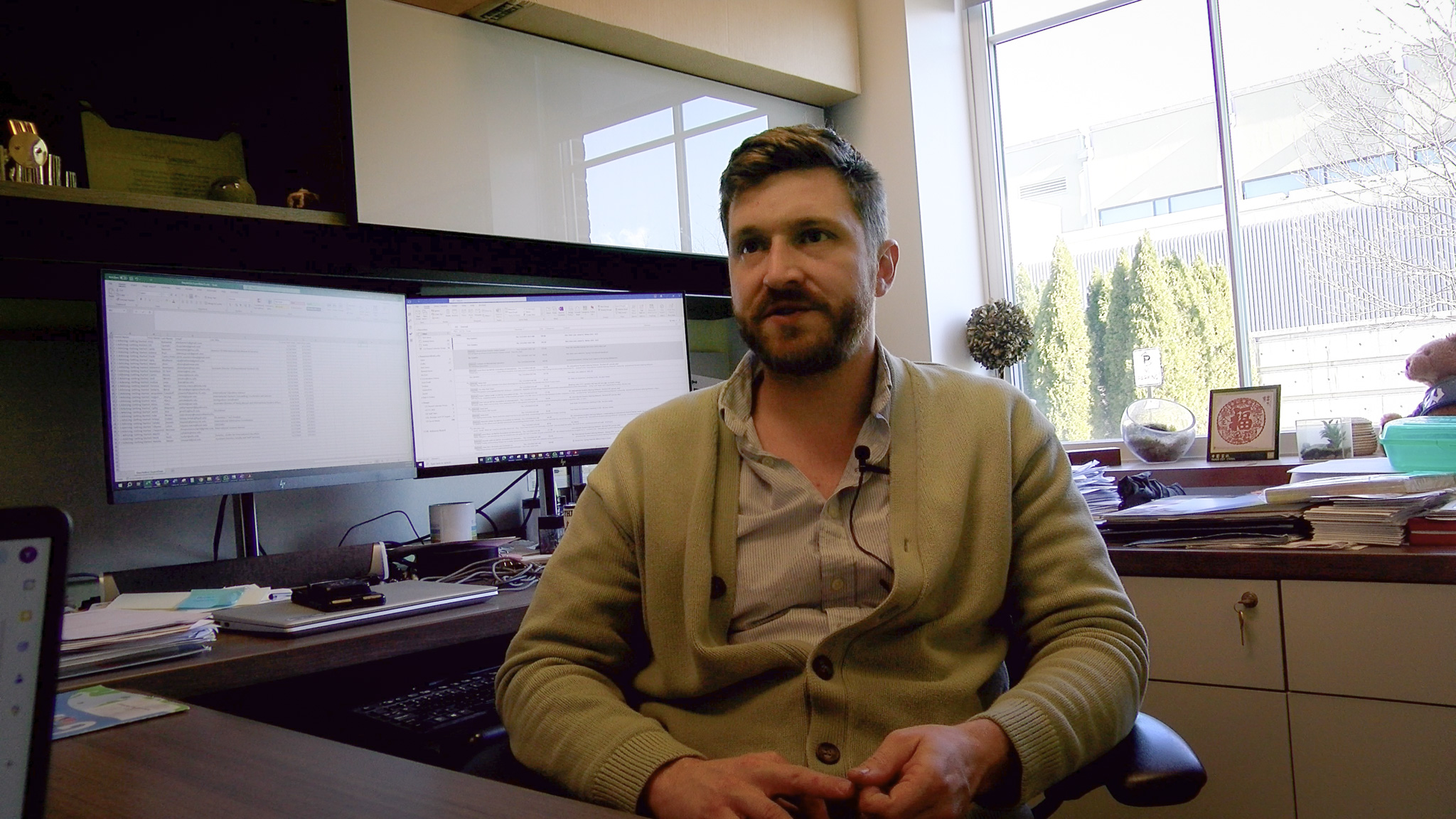
Despite of the apprehensions shared by students, Hunter Swanson recalls the time Trump firstly became the president.
“I was here at Washington and Lee during the first Trump administration. I didn’t really see an increase of hate speech or concern, about being in this community, in the Lexington community and the on campus from our international students and staff and faculty. So, I think that this community will be pretty supportive.”
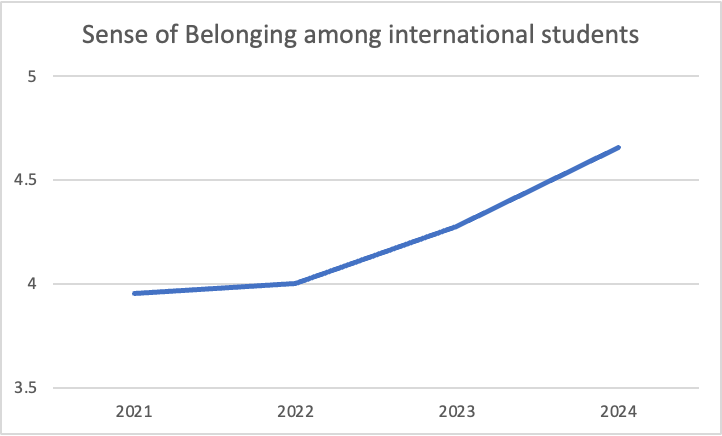
Data shows that the sense of belonging perceived by international students is quite high standard and has been improving since 2021. The sense of belonging is defined as one of the basic human needs by psychologist Maslow and is thought to be necessary to promote one’s academic performance. The sense of belonging in this research was measured in scale of maximum 5. The score reaches to over 4.5 in 2024.
In addition to this, Swanson emphasizes that it is unclear that what exactly the next president will be able to implement policies he said to adopt in his next term.
“For example, that Muslim ban I just mentioned took the first Trump administration, I believe, two years and three tries to finally get a version of that that would actually stick. Because right after that was announced, a court issued a preliminary injunction that stopped it from taking effect until the courts could review the merits of that executive order.”

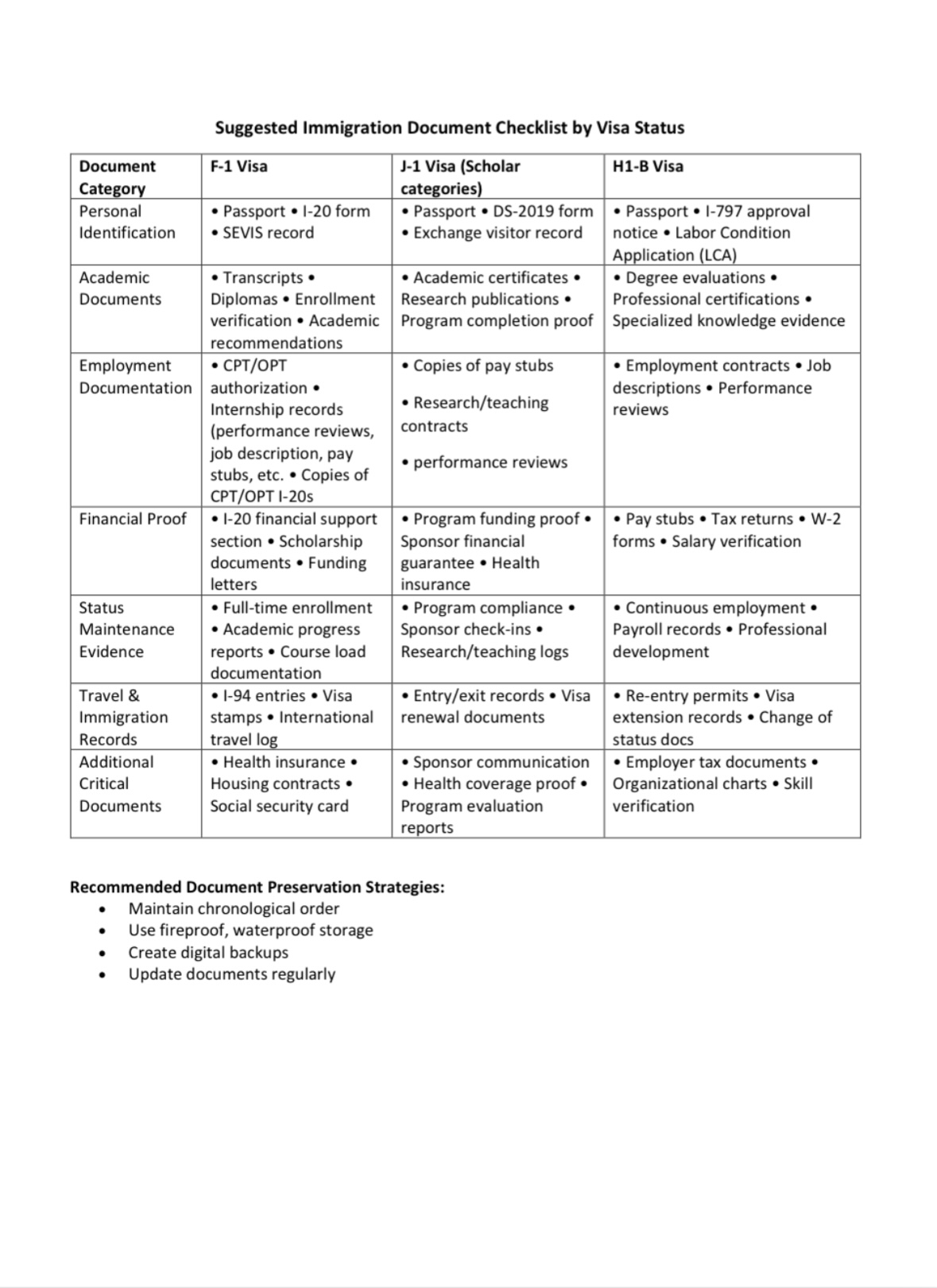
At the same time, Swanson warns international students who leave the U.S. for winter break to come back before 20th of January, when Trump will inaugurate. He also advises international students to retain documents to prove their legal status.
“Try not to worry too much about the things you can’t control. Just keep documentation that you might need later”, said Swanson.
Yuhei Hagino
email: yhagino@mail.wlu.edu
My Linked in account